The Decisive Details: Why Every Minute Matters in Italian Football
Italian football has a reputation for producing matches in which the smallest details can carry enormous consequences. A perfectly delivered corner, a goalkeeper’s split-second decision or a substitution made at exactly the right moment can change the direction of an entire contest. In Serie A, the final score rarely tells the whole story. Behind every result lies a sequence of decisions, individual contributions and unexpected turning points that develop throughout the game. For supporters who want to understand how these moments connect, смотреть полные матчи чемпионата Италии is an opportunity to revisit the complete performance rather than relying exclusively on a brief collection of highlights.
The Moments That Change Everything
Football is often remembered through its most spectacular incidents. A powerful strike from outside the penalty area, an extraordinary save or a last-minute winner can become the defining image of a match. Yet these moments rarely happen in isolation.
A goal may begin with a defensive interception several minutes earlier. A counterattack can develop because one midfielder recognised an opportunity to move forward while the opposition was reorganising. Even a penalty may be the result of sustained pressure that gradually forces defenders into increasingly difficult decisions.
This is particularly interesting in Serie A, where matches frequently contain long periods of careful competition before the decisive opportunity appears. Teams may spend considerable time testing one another, trying to identify weaknesses without exposing their own defensive structure.
A complete recording makes it possible to follow this gradual process. Viewers can see how pressure builds, which players become increasingly influential and how one incident changes the confidence of both sides. The dramatic moment remains important, but its significance becomes clearer when the events leading up to it are visible.
Set Pieces: Small Spaces, Big Consequences
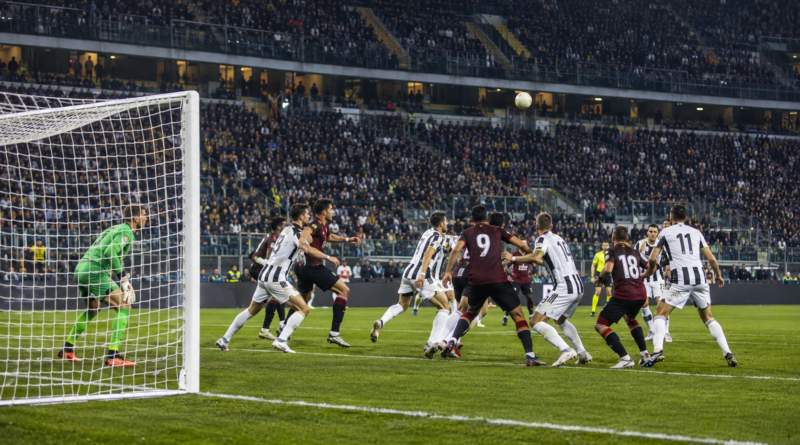
Set pieces occupy a special place in football because they create opportunities to prepare an attacking situation in advance. Corners, free kicks and long throws allow teams to organise movements, select target areas and exploit differences in height, speed or positioning.
In Serie A, these situations can become carefully constructed tactical exercises. Players use blocks and coordinated runs to create space for a teammate. Some move towards the near post to distract defenders, while others attack the far post or wait outside the penalty area for a second ball.
Defending set pieces requires similar coordination. Every player must understand his assignment, maintain awareness of nearby opponents and react quickly when the initial delivery changes direction. A moment of hesitation can be enough to give an attacker a clear opportunity.
Watching the entire sequence is especially valuable because the most important movement may happen away from the ball. A player who never touches it might still create the space that allows another teammate to score.
Free kicks offer another dimension. Teams can choose direct attempts, short combinations or deliveries designed to exploit a particular defensive weakness. The decision depends on distance, angle, player characteristics and the positioning of the opposing goalkeeper.
These details make set pieces more than interruptions to open play. They are an important part of match preparation and can provide a decisive advantage when two teams are otherwise evenly matched.
Goalkeepers as the First Stage of an Attack
The goalkeeper’s role in modern football extends far beyond stopping shots. A confident goalkeeper can influence the entire defensive structure, organise teammates and help initiate attacks with accurate distribution.
Positioning is one of the most important elements of the job. A goalkeeper must constantly adjust his distance from the goal according to the position of the ball and the movement of opposing attackers. Staying too close to the line can leave space in front of the defence, while advancing too far can create vulnerability to a shot from distance or a pass behind the defensive line.
Communication is equally important. Goalkeepers have a view of the pitch that allows them to recognise developing danger and warn defenders about unmarked opponents. Their instructions can help maintain the defensive line and prevent confusion during crowded situations.
When possession is recovered, distribution becomes another decisive skill. A short pass can help a team build an attack patiently, while a longer delivery may immediately exploit space behind the opposition. The choice can change the rhythm of the game.
A highlights package often gives attention to spectacular saves, but a full match reveals the goalkeeper’s wider contribution. It shows how frequently he adjusts his position, how he communicates with defenders and whether his decisions help the team remain composed under pressure.
The Psychology of a Close Contest
Football is a physical and tactical sport, but its psychological dimension can be just as important. A team that concedes an unexpected goal must decide how to respond. It can become impatient and commit too many players forward, or remain disciplined and gradually rebuild its attacking rhythm.
The same challenge faces a team that takes the lead. Protecting an advantage requires concentration, especially when the opponent increases pressure during the final stages. Players must resist the temptation to retreat too deeply or make unnecessary challenges that could create dangerous free kicks.
Confidence can also influence individual performance. A successful early intervention may encourage a defender to play more aggressively. A missed opportunity might affect a striker’s decision-making, while a goalkeeper who makes an important save can give the entire team renewed belief.
These psychological changes are often difficult to recognise through statistics alone. They become more visible when following the match from beginning to end, observing how players react to setbacks and how their behaviour changes as the result becomes increasingly important.
The ability to remain composed is particularly valuable in close encounters. A team does not always need to dominate possession or create numerous chances. Sometimes its greatest strength is the capacity to make sensible decisions when the pressure is at its highest.
The Bench: A Second Match Within the First
The tactical contest does not involve only the players on the pitch. Managers and their coaching staffs are constantly assessing the situation, considering possible changes and preparing responses to the opponent’s decisions.
Substitutions can alter the character of a match in several ways. A faster attacker may stretch a tired defence, a stronger forward can provide a target for crosses, and a fresh midfielder may help regain control of the central areas. A defensive replacement can also allow a team to preserve its shape when protecting a narrow lead.
However, a substitution is not automatically successful. The incoming player must understand the team’s structure and establish connections with teammates. His presence may also require other players to change their positions or responsibilities.
The timing of a change matters as much as the identity of the substitute. An early introduction can give a team more time to benefit from a different approach, while a late decision may be designed to influence only the final minutes.
Watching the complete match allows supporters to evaluate these decisions more accurately. It becomes possible to see whether a change addressed a genuine weakness, improved the team’s balance or created a new problem for the opposition.
The Character of Italian Stadiums
Serie A is also shaped by the places where its clubs play. Italian stadiums carry different architectural histories and local traditions, giving fixtures a distinctive atmosphere even before the first meaningful action takes place.
Some grounds are closely associated with decades of memorable European nights and domestic rivalries. Others represent the development of modern football infrastructure and changing expectations among supporters. In every case, the stadium forms part of the identity of the club.
The atmosphere can influence the emotional character of a match. A successful tackle near the touchline may receive a passionate response, while a missed chance can create a moment of collective frustration. When the home team begins to attack with greater intensity, the crowd can become an additional source of energy.
These reactions are not merely background details. They help explain why certain fixtures feel particularly demanding and why experienced players must learn to manage pressure in different environments.
A complete match preserves the gradual changes in atmosphere. It shows how anticipation develops, how supporters react to key incidents and how the emotional balance of the occasion shifts as the result becomes clearer.
Technology and the Search for Greater Accuracy
Technology has introduced new methods of examining football and improving decision-making. Video analysis helps coaching staff study attacking patterns, defensive positioning and the behaviour of players during transitions. Performance-tracking systems provide information about physical workload, movement and recovery, helping clubs evaluate the demands placed on their squads.
Match officials also have access to technological assistance when reviewing certain incidents. Video systems can provide additional angles and allow decisions to be examined more carefully, although interpretation remains an important part of refereeing.
For supporters, digital technology has changed the way recorded football can be experienced. Modern video platforms make it easier to revisit particular passages, compare different phases of a match and examine incidents that may have been difficult to understand during the original broadcast.
This is especially useful when studying the small details that often decide Serie A encounters. A second viewing can reveal a defensive movement before a goal, the positioning of a goalkeeper during a set piece or the change in formation following a substitution. Technology adds depth to observation without taking away the unpredictability that makes football exciting.
Why the Final Minutes Deserve Special Attention
The closing stages of a match often place the greatest demands on concentration and decision-making. Fatigue can affect movement, reaction speed and communication. Players who have maintained their positions for most of the contest may begin to leave gaps, while attacking teams become increasingly willing to take risks.
A side protecting a lead must decide how to manage possession and when to move forward. Retreating too early can invite sustained pressure, but continuing to attack without sufficient protection may expose the defence to a dangerous counterattack.
The team chasing the result faces a different challenge. It must increase its attacking threat without losing all defensive balance. Managers may introduce additional forwards, move full-backs higher or encourage midfielders to take more risks with their passing.
These decisions create a final phase that can be very different from the opening period. A match that seemed controlled may suddenly become unpredictable, and a single successful action can change everything.
Watching the final minutes in their full context is therefore important. The last goal, save or defensive clearance is only one part of a much larger sequence of decisions made under pressure.
Understanding the Game Beyond the Scoreline
Serie A offers a rich football experience because it combines technical ability, strategic preparation, emotional intensity and a strong connection with local sporting traditions. Its most memorable matches are not always defined by the number of goals scored. Sometimes their lasting appeal comes from a disciplined defensive performance, a carefully managed advantage or a dramatic finish created by one moment of individual quality.
Full-match viewing allows supporters to appreciate these different dimensions. It reveals how set pieces are prepared, how goalkeepers influence the team’s structure, how substitutes change the rhythm and how players respond when the pressure increases.
The final score remains the official conclusion, but it cannot describe every important contribution. Understanding a match requires attention to the moments that happen between the goals, the decisions that precede the decisive action and the reactions that follow it.
Italian football continues to evolve, yet its ability to reward observation remains one of its most compelling qualities. The most important detail may be a movement that lasts only a second, but recognising it can change the way an entire match is understood.