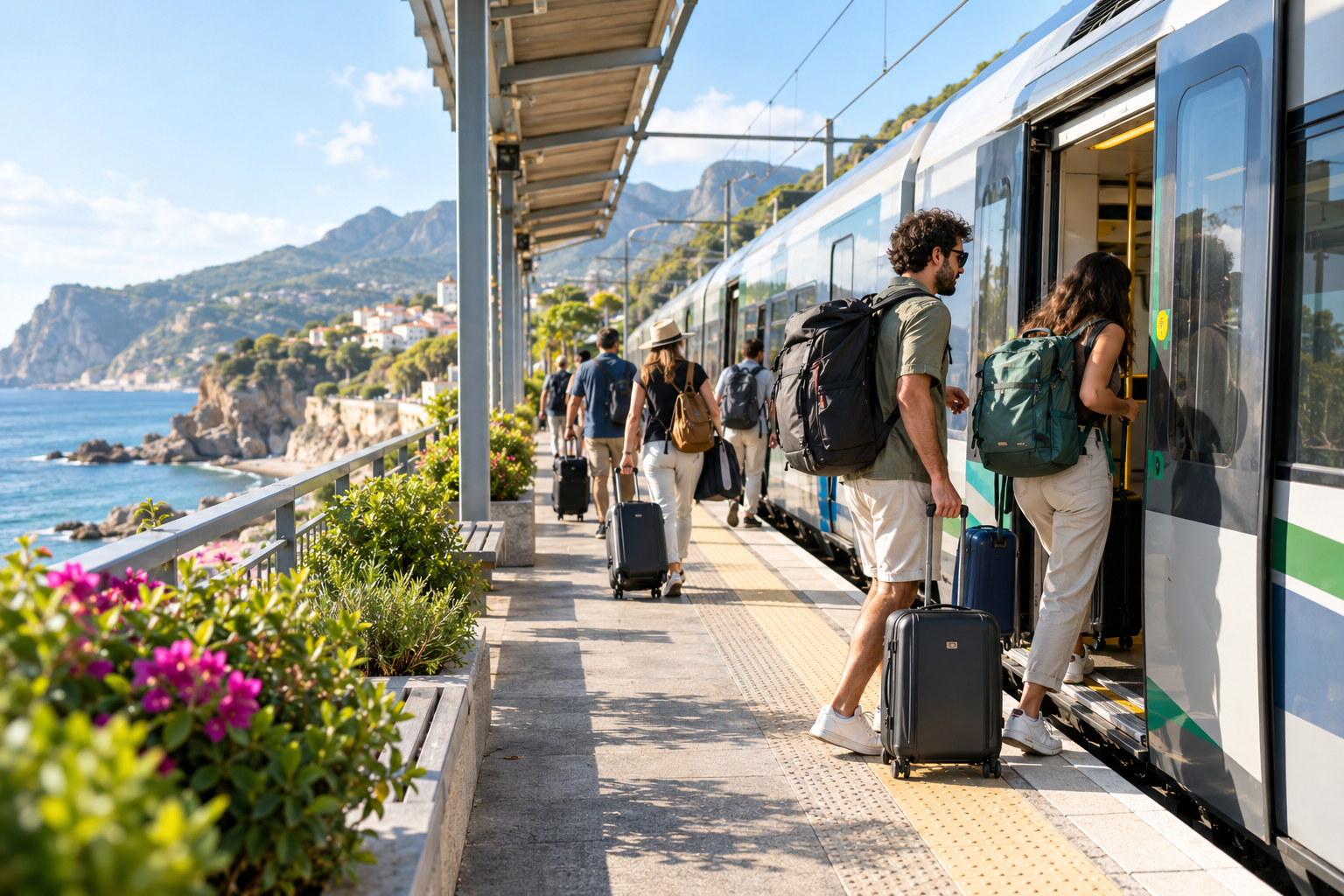
Regional Rail Is Changing How Travelers Explore Coastlines
Coastal travel is often planned around rental cars and short flights, but improved regional rail services are creating another option. Trains connect large cities with smaller ports, historic towns, beaches, and rural communities that can be difficult to reach without driving. For visitors, the journey becomes part of the experience rather than a gap between destinations. For residents, the same service provides access to work, education, health care, and family.
A different rhythm of travel
Rail encourages travelers to stay closer to town centers and move at a pace that reveals more of a region. Passengers see changing landscapes, arrive near local streets, and can continue by bus, bicycle, or on foot. A well-timed timetable makes it possible to visit several places without repeatedly packing, parking, and navigating unfamiliar roads. The reduced stress is especially valuable for families, older travelers, and visitors who do not drive.
Reliable information is essential. Travelers need clear station signs, simple ticket rules, luggage guidance, and accurate connections. Digital booking helps, but printed schedules and staffed stations remain important when mobile coverage is weak or a visitor needs advice. Operators that coordinate with local buses and ferries make the whole network more useful.
Benefits for coastal communities
Smaller destinations can gain visitors without building large parking areas or encouraging constant traffic through narrow streets. Rail passengers often spend money near stations, supporting cafes, markets, guesthouses, and independent shops. Communities can strengthen that benefit by mapping walking routes, promoting locally owned businesses, and scheduling cultural events around practical arrival times.
Growth still needs management. Popular places can face pressure on housing, waste systems, beaches, and public spaces. Local authorities should track visitor numbers and invest part of tourism revenue in services used by residents. Promoting travel outside the busiest season can spread demand while providing steadier income for businesses.
Making the route part of the destination
The most attractive rail journeys do not need luxury branding. Clean trains, dependable service, comfortable stations, and views of the landscape are often enough. Regional food, local history displays, and well-designed stop information can add character without turning the route into a staged attraction.
As travelers look for practical ways to reduce car use, coastal rail offers a realistic solution. It will not replace every journey, but it can connect tourism with everyday public transport. When the network serves residents first and visitors well, travel becomes more accessible, less stressful, and more closely tied to the places along the line.