Street Festivals Keep Brazil’s Cultural Memory Alive
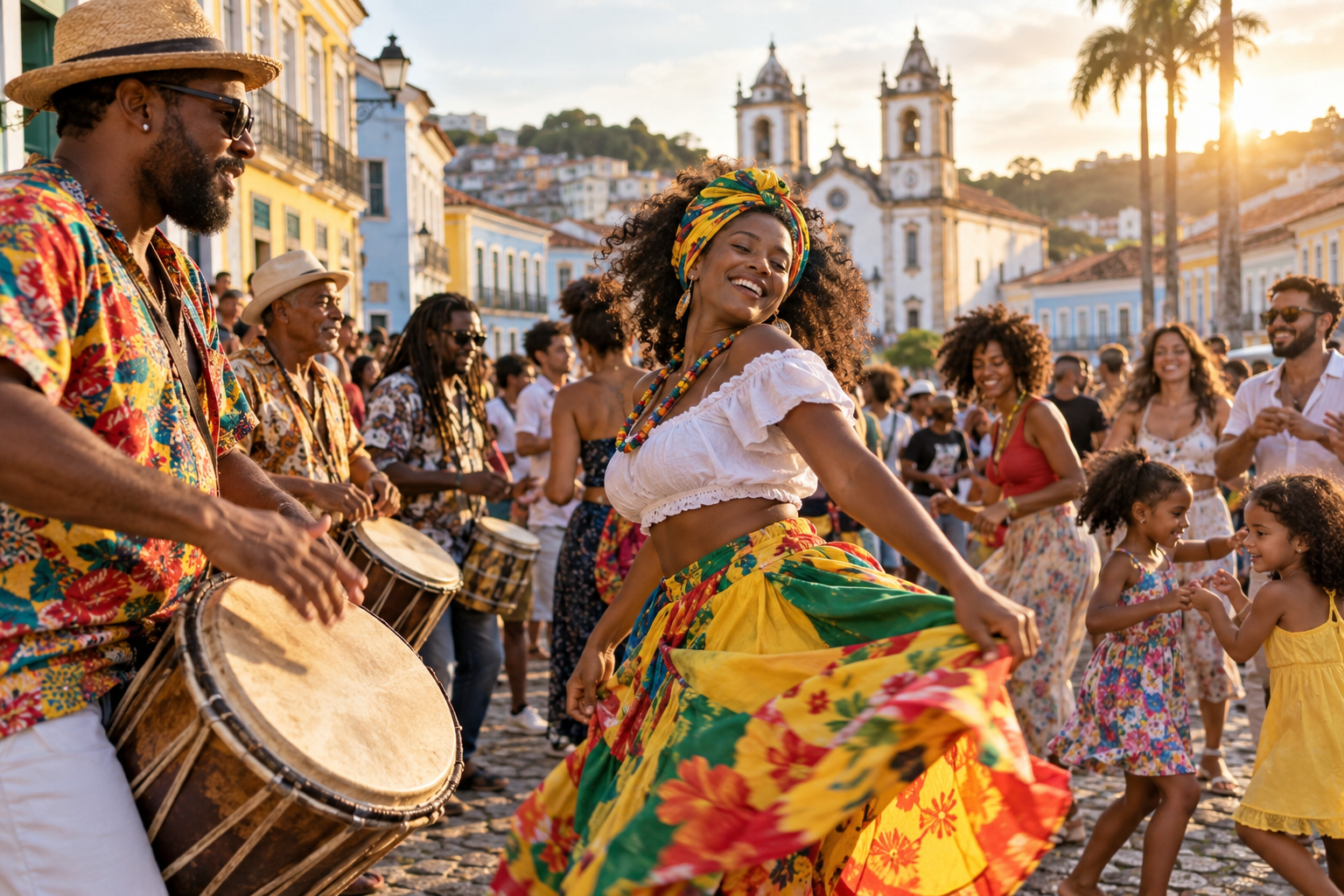
Street festivals remain one of Brazil’s most visible forms of cultural expression, but their importance reaches beyond a day of music and celebration. In many neighborhoods, a festival is where families pass on rhythms, recipes, costumes, stories, and religious traditions. Preparations can last for months and bring together musicians, craftspeople, cooks, dancers, teachers, and volunteers. The public event is the final stage of a much longer community process.
Tradition is practiced, not stored
Cultural memory survives when people use it. A drum pattern learned from an older musician changes slightly in the hands of a younger player, yet its history remains present. The same is true of dance steps, handmade decorations, and foods prepared for a particular celebration. Festivals provide a setting where these skills are demonstrated in public and taught informally. Children observe rehearsals, help relatives, and gradually take on more responsibility.
This living approach does not freeze culture in the past. Brazilian cities are shaped by Indigenous, African, European, Asian, and immigrant influences, and street celebrations continue to absorb new sounds and ideas. Organizers often balance innovation with respect for the communities that created a tradition. Giving elders, local artists, and cultural associations a meaningful voice helps that balance remain fair.
Neighborhoods benefit beyond the stage
A well-organized festival can support small businesses and independent workers. Food vendors, costume makers, sound technicians, photographers, and local performers gain income and exposure. Visitors may discover historic streets, community museums, or family-run shops that rarely appear in conventional travel guides. These benefits are strongest when permits and vendor spaces remain accessible to neighborhood residents rather than being dominated by large commercial sponsors.
Public safety and comfort also require careful planning. Shade, water, toilets, accessible routes, first-aid teams, and reliable transport make participation easier for families and older visitors. Noise schedules and waste collection help reduce pressure on people who live nearby.
Protecting the people behind the celebration
Recognition should include the creators, not only the event. Organizers can publish contributor credits, pay performers fairly, document oral histories, and support year-round workshops. Schools and libraries can preserve recordings with permission from participants. When communities control how their traditions are represented, festivals become more than colorful attractions. They remain places where identity is renewed, relationships are strengthened, and cultural knowledge continues to move from one generation to the next.
That continuity depends on affordable rehearsal spaces, transparent funding, and opportunities for young organizers to learn both artistic and practical event skills.